
In December 1985, The New York Times published an article with a provocative title: “Why Today’s Orchestras Are Adrift.”
What is striking is not simply what the article said. It is how familiar it sounds more than 40 years later.
The author described orchestras facing rising costs, declining subscriptions, growing competition for charitable support, and audiences whose habits were changing. He questioned whether marketing was beginning to shape artistic decisions rather than support them. Most importantly, he wondered whether orchestras had become highly efficient at presenting concerts without being able to explain their larger purpose.
This was written in 1985.
Long before streaming services, social media, smartphones, the pandemic, and the explosion of entertainment choices, orchestras were already wrestling with many of the same questions we face today.
How do we preserve an extraordinary musical tradition without becoming trapped by it? How do we welcome new audiences without diminishing the experience for those who have supported us for decades? How do we balance artistic ambition with financial reality? And how do we make sure an orchestra remains important to the community it serves?
These are not signs that classical music is dying. They are signs that the institution surrounding the music must continue to evolve.
At Cape Symphony, we have been describing this process as recalibration.
Recalibration does not mean abandoning classical music or chasing every passing trend. It means being honest about what is changing around us and thoughtful about how we respond. It means protecting artistic excellence while reconsidering some of the assumptions that have shaped American orchestras for generations.
For many years, the traditional model was built around a predictable pattern: select a season, sell subscriptions, present concerts, and raise enough contributed revenue to cover what ticket sales could not. That model produced some of the finest musical institutions in the world. But today, fewer people organize their lives around fixed subscriptions. Families have more demands on their time. Costs continue to rise. Donors want to understand the impact of their support. Audiences are looking not only for quality, but also for connection.
We cannot assume that the importance of an orchestra is self-evident. We have to demonstrate it.
That begins, of course, with what happens on the concert stage. There is nothing quite like hearing great music performed live by exceptional musicians. A symphony orchestra can create something powerful, immediate, and deeply human. Preserving that experience remains central to our work.
But Cape Symphony is more than an orchestra.
We are also a preschool where children begin discovering the confidence and joy that come through creativity. We are a conservatory where students of many ages and abilities learn, grow, and find community. We showcase artists and experiences that extend beyond the traditional orchestral season through Cape Symphony Presents. We bring music into schools, neighborhoods, and community spaces. We create opportunities for people who may never have imagined that Cape Symphony belonged to them.
These activities are not separate from our artistic mission. Together, they express it.
The 1985 article warned that an orchestra could become a polished organization producing a familiar cultural product without maintaining a strong artistic identity. That warning still matters. Marketing can help bring people through the doors, but it cannot tell us why we exist. A recognizable conductor, popular program, or clever campaign may attract attention, but none can substitute for a clear institutional purpose.
Our purpose is to inspire, educate, and connect our community through exceptional music and inclusive outreach programs.
That purpose requires collaboration. Our musicians must be more than the people who appear onstage after the decisions have been made. Through our Artistic Planning Committee, they have a meaningful voice in shaping the artistic direction of the Cape Symphony Orchestra. Their influence was especially important during our Music Director search and the selection of Alyssa Wang to fill that role. That partnership strengthens both our programming and our institution.
It also requires us to think beyond a single performance or season. Success cannot be measured only by the number of tickets sold, although attendance matters. It must also be measured by the student who discovers a lifelong connection to music, the family attending its first symphony concert, the older adult who finds companionship through a class, and the community partnership that brings people together.
The question before orchestras is not whether we can recreate the world of 1985. We cannot, and we should not try.
The better question is what an orchestra can mean to its community now.
For Cape Symphony, the answer will include extraordinary orchestral performances. It will also include education, presenting, collaboration, experimentation, and a deeper presence across Cape Cod. It will require us to listen carefully, make disciplined choices, and occasionally let go of practices that no longer serve our mission.
Our goal is not simply to maintain an orchestra. It is to build an organization that matters.
More than 40 years ago, the Times described American orchestras as “adrift.” Today, we have the opportunity to choose our direction. At Cape Symphony, that direction leads outward: toward greater artistic vitality, stronger community connections, and a future in which music continues to inspire, educate, and bring us together.
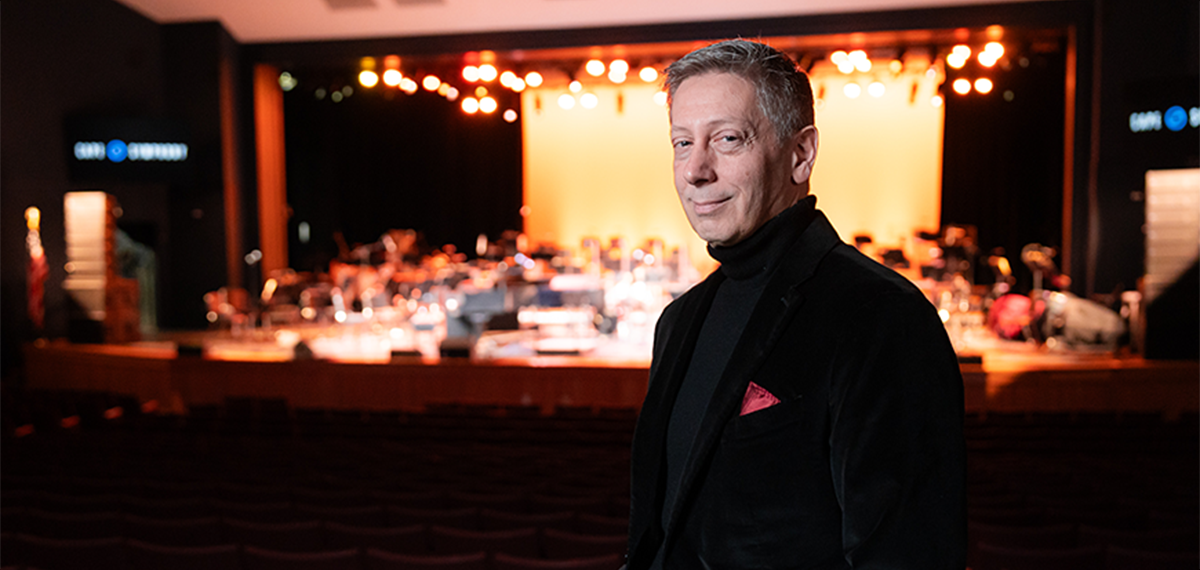
Michael Albaugh is President and CEO of Cape Arts & Entertainment.